


By automating tasks, providing actionable insights, and ensuring seamless integrations with existing ERP systems, HighRadius enables you to focus on strategic growth rather than operational hurdles. This feature is particularly beneficial for businesses seeking to understand potential revenue fluctuations, manage cash flow effectively, or financial statement automation make data-backed investment decisions. Managing financial processes can often feel overwhelming, especially when dealing with dynamic data and intricate reporting requirements. Team-GPT is a collaborative AI tool designed to simplify complex workflows in various business use cases, including finance and accounting. Consider the potential return on investment (ROI) by assessing how the tool can save time or reduce errors in financial processes.

Cash Application Management
- FloQast is a close management and accounting workflow automation platform that expanded into financial consolidation and reporting in September 2024, with the launch of FloQast Consolidation.
- Point solutions like Hyperion Enterprise fall well short of meeting the financial reporting needs of a modern business and Excel spreadsheets can’t streamline the reporting process.
- With its user-friendly interface and comprehensive features, it is an excellent choice for small and medium-sized enterprises (SMEs) seeking to automate their financial processes.
- You can then stay informed on key indicators like cash flow, revenue, burn, and more, enhancing your expense management and strategic decisions.
- Instead of spending hours reconciling data, your team can focus on analyzing trends and making data-driven decisions.
Agentic AI processes high volumes of transactional data from multiple sources and visualizes it through dynamic dashboards. These dashboards go beyond traditional static reports by offering drill-down capabilities and forecasting based on historical patterns and current trends. The regulatory landscape affects how businesses manage automated financial statements.
Actionable Insights
- Matplotlib provides the flexibility to create detailed candlestick charts, which can be enhanced with moving averages or bollinger Bands to identify buy and sell signals.
- Make necessary adjustments, such as regrouping balances between current and non-current categories and other adjustments like tax and depreciation.
- Automating these reports through software like HubiFi minimizes manual data entry, reducing errors and freeing up your team for more strategic work.
- Imagine turning the daunting task of collecting, organizing, and managing data into a smooth, streamlined process.
- The IDC report highlights HighRadius’ integration of machine learning across its AR products, enhancing payment matching, credit management, and cash forecasting capabilities.
- Finance automation software should integrate seamlessly with existing accounting systems, ERP systems, and other financial tools.
Solutions are available that offer automated account reconciliation, monthly close and data entry, as well as the preparation of financial statements and management reports. Financial reporting has long been one of corporate finance’s most resource-intensive and error-prone tasks. From reconciling hundreds of journal entries to ensuring compliance with dynamic regulatory requirements, finance teams are under increasing pressure to deliver accurate reports faster. These intelligent, self-directed AI agents are redefining what’s possible in accounting operations, enabling organizations to automate, accelerate, and enhance the quality of their financial reports. Setting up automated financial statements requires more than just software – it demands a thoughtful approach to integrating new workflows across your finance team.

How to Automate Financial Statements in Excel: with Easy Steps
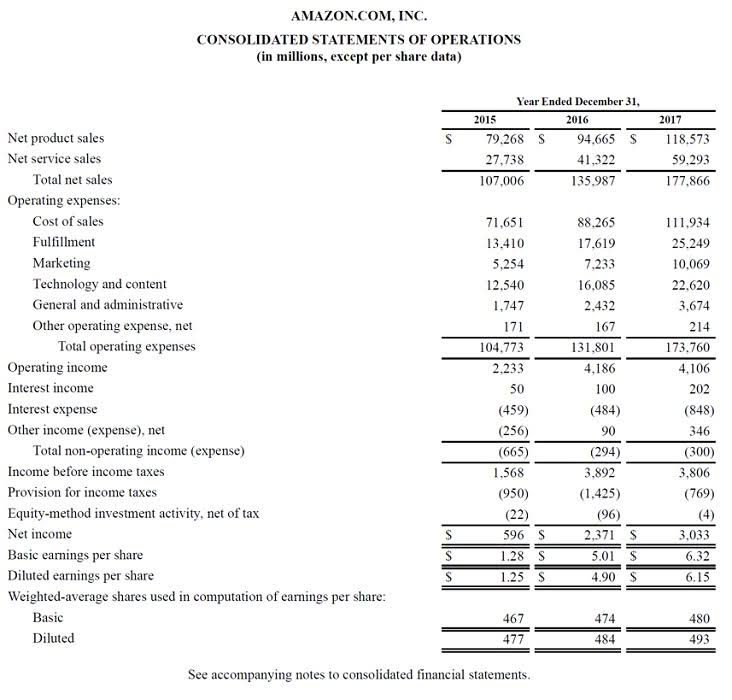
For businesses seeking to future-proof their operations, now is the ideal time to explore financial statement automation and leverage the full potential of technology to achieve sustainable growth. Popular tools for financial statement automation include SAP, Microsoft Dynamics, QuickBooks, and NetSuite, each catering to businesses of varying sizes and industries. Understanding financial statement automation may help you save time, cut down on errors, and guarantee compliance whether you run a small or large organization. Ask the team involved in the pilot to provide specific feedback on balance sheet what works well and what doesn’t. Use their responses to identify adjustments that improve its usability and effectiveness.

- Understanding your unique needs will help you identify the features that are must-haves versus nice-to-haves.
- Organizations can use automation to streamline the expense management process.
- From the perspective of a data analyst, Python’s role is invaluable in data cleaning and preparation.
- Don’t forget to get inputs from your finance team so they can let you know what works and what doesn’t.
- By upgrading to Phocas Business Planning and Analytics, your finance team can enhance collaboration, reduce the time spent on administrative tasks, and focus on becoming strategic financial advisers.
- Fathom’s simple integrations with leading accounting software solutions, such as QuickBooks, Xero, and MYOB make setup is quick and easy for businesses who use these systems.
It’s a time-consuming process and relies mostly on transferring data from the ERP into spreadsheets, with lots of switching back and forth. The process is slow and error-prone because every new reconciliation affects the numbers, making the static spreadsheet-based reports instantly out-of-date, forcing the regular creation of new versions. QuickBooks includes automation features like transaction categorization, invoice processing, and bank reconciliation, reducing manual effort. However, for full automation, you need third-party integrations with tools like DocuClipper for OCR data extraction and automated bookkeeping. These integrations enhance data accuracy, streamline workflows, and eliminate manual data entry. We understand that businesses using Fathom as an automated financial reporting tool are entrusting us with one of their most valuable assets – the financial data of their company or client.

This eliminates the need for time-consuming manual data entry and reduces the risk of errors that can occur when transferring information between systems. Connecting these systems ensures a comprehensive and unified view of your financial data, laying the groundwork for accurate and efficient reporting. For high-volume businesses, this integration is crucial for managing large datasets and ensuring data consistency. Automated financial statements are changing how companies handle their accounting and reporting. Moving away from manual methods, automation brings major improvements in https://mandelamarathon.com/overhead-absorption-rate-examples-formula-and/ speed, accuracy and efficiency.

Leave a Reply
You must be logged in to post a comment.